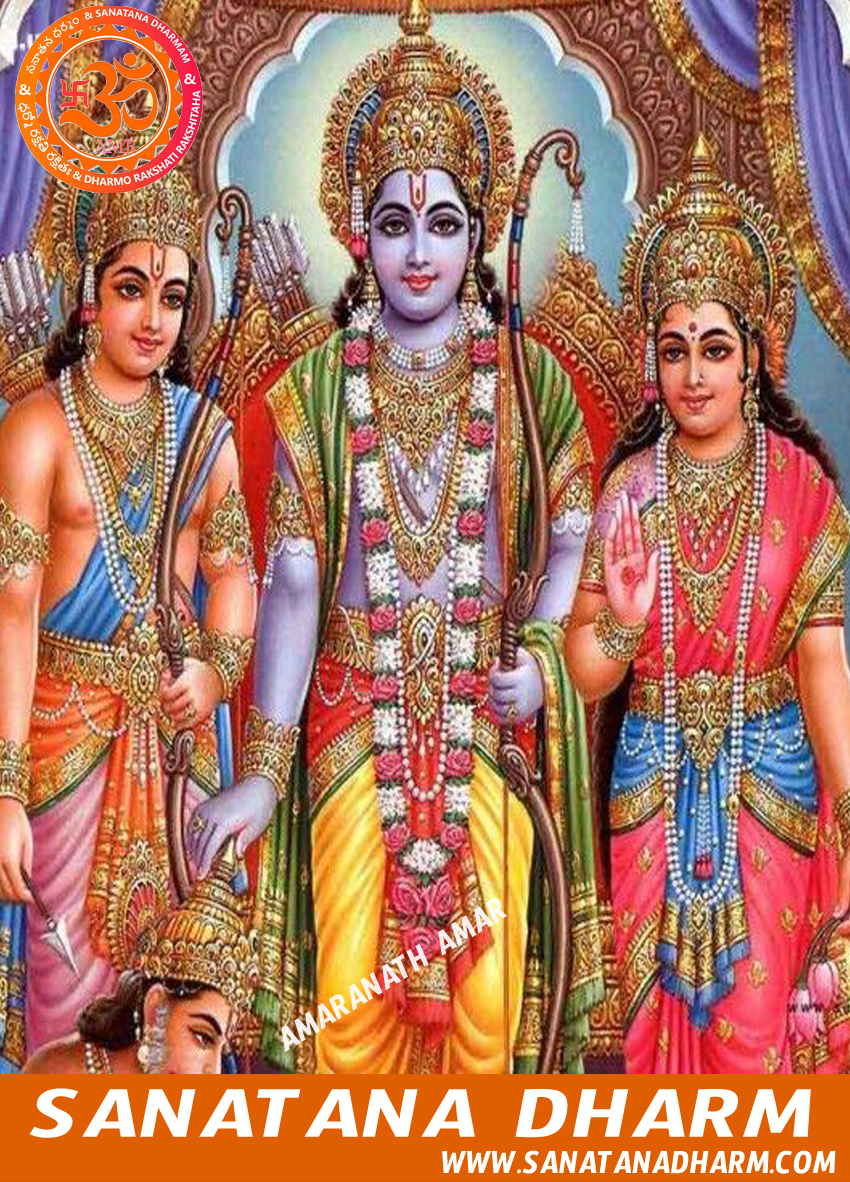
Thereafter, having offered his salutation to Seetha, who was present at the foot of Ashoka tree, Hanuma spoke: "Thank heaven! I am seeing you uninjured here!"
तब शिंशपा वृक्ष के नीचे, जानकी को वहाँ उपस्थित देखकर, हनुमान ने उन्हें प्रणाम किया और कहा, "यह मेरा सौभाग्य है कि मैं आपको यहाँ सकुशल देख रहा हूँ।"
Sundara Kanda – Sarga 56 · v2
ततः तम् प्रस्थितम् सीता वीक्षमाणा पुनः पुनः |
भर्तृ स्नेह अन्वितम् वाक्यम् हनूमन्तम् अभाषत || ५-५६-२
Then, beholding again and again, that Hanuma, who had made ready for his return journey, Seetha spoke the following words, filled with affection towards her husband.
सीता ने बार-बार अपने पति के स्नेह से भरे हुए हनुमान को जाते हुए देखा और फिर उनसे यह वाक्य कहा।
Sundara Kanda – Sarga 56 · v3
कामम् अस्य त्वम् एव एकः कार्यस्य परिसाधने |
पर्याप्तः पर वीरघ्न यशस्यः ते बल उदयः || ५-५६-३
"O Hanuma, the annihilator of enemies! You are yourself surely sufficient single-handed completion of this task. Your elevated energy is creditable indeed.
यह श्लोक कहता है कि हे वीर, तुम अकेले ही इस कार्य को पूरा करने में सक्षम हो। तुम्हारी शक्ति और यश की वृद्धि पर्याप्त है।
Sundara Kanda – Sarga 56 · v4
शरैस्तुः सम्कुलाम् कृत्वा लन्काम् पर बल अर्दनः |
माम् नयेत् यदि काकुत्स्थः तस्य तत् सादृशम् भवेत् || ५-५६-४
"But, it will be appropriate for Rama, who destroys the hostile forces, to take me with him, after routing Lanka with his arrows."
यहाँ संस्कृत श्लोक का सरल हिंदी अनुवाद दिया गया है: यदि श्री राम अपनी बाणों से लंका को शत्रु-विनाशक बनाकर मुझे ले चलें, तो यह उनके लिए उचित ही होगा।
"Therefore, you act in such a way that the high-souled Rama, valiant in battle, may exhibit prowess worthy of him."
उस महात्मा के पराक्रम के अनुरूप ही, युद्ध में शूरवीर के लिए, सत्य ही सिद्ध होता है।
Hearing those humble, reasonable and meaningful words of Seetha, Hanuma spoke the following words in reply.
हनुमान ने उस अर्थपूर्ण, विनम्र और तर्कयुक्त वाक्य को सुनकर उत्तर दिया।
"Rama, accompanied by the leaders of monkeys and bears, will come soon and after conquering the enemies in battle, will take away your grief."
श्रीराम शीघ्र ही ऋक्षराज सुग्रीव और अन्य वानरों से घिरे हुए आएंगे। वे युद्ध में शत्रुओं को जीतकर आपके सभी दुखों को दूर करेंगे।
Hanuma, the son of wind-god, thus consoling Seetha and making up his mind to go, saluted Seetha with reverence.
हनुमान, वायुपुत्र, सीता को इस प्रकार आश्वासन देकर, जाने का निश्चय करके, उन्हें प्रणाम किया।
Thereafter, that Hanuma the foremost among the monkeys, and the annihilator of enemies, with an anxious desire to see his lord, ascended the Mount Arishta of excellence.
तब वह सिंह के समान पराक्रमी वानर, अपने स्वामी को देखने के लिए उत्सुक होकर, शत्रु का नाश करने वाला, श्रेष्ठ पर्वत पर चढ़ गया।
Sundara Kanda – Sarga 56 · v10
तुन्ग पद्मक जुष्टाभिः नीलाभिः वन राजिभिः |
सोत्तरीयमिवाम्भोदैः शृम्गान्तरविलम्बिभिः || ५-५६-१०
That mountain was covered as it were with dark green rows of gardens inhabited by towery elephants with red spots on their skin and with its clouds hanging between its summits, as with an upper garment.
ऊँचे कमल से सुशोभित नीली वन पंक्तियों से घिरे हुए, जैसे कि बादलों से ढका हुआ हो, चोटियों के बीच लटकते हुए।
By metals scattered here and there, looking like eyes drawing up the eye-lids, the mountain looked like being awakened, as it were, with love by the bright rays of the sun.
सूर्य की शुभ किरणों से जैसे कोई जाग रहा हो, और खनिजों से निकले हुए नेत्रों से जैसे कोई उन्मीलित हो रहा हो।
The mountain looked resembling the one which has started reciting the scriptures clearly in the form of the deep sound of running streams of water, singing as it were at a high pitch, in the form of roaring sound of various cascades.
जलधाराओं की गंभीर ध्वनि से पर्वत जैसे गा रहा हो, और झरनों की स्पष्ट आवाज़ों से जैसे गीत गा रहा हो।
The mountain stood as it were with uplifted arms in the form of very lofty deodars and which started crying loudly as it were, on all sides, in the form of the sound of its cascades.
देवदारु के ऊँचे वृक्ष, मानो हाथ उठाए खड़े हों, और झरनों के जल का शोर चारों ओर से उन्हें पुकार रहा हो।
The mountain seemed to be trembling in the form of waving dark automnal groves, which was piping as it were, in the form of hollow bamboos shaken up by the wind and whistling.
शरद् ऋतु के वन में हवा से हिलते हुए बाँसुरी के समान लगने वाले बाँसों के समूह से, मानो कोई मधुर ध्वनि कर रहा हो।
The mountain was hissing as it were with fury, in the form of its terrible and most poisonous snakes and which sat absorbed in meditation as it were, in the form of its deep caves covered with mist.
यहाँ संस्कृत श्लोक का सरल हिंदी अनुवाद दिया गया है: जैसे क्रोध से साँस लेता हुआ, भयंकर नागों से घिरा हुआ, और गहरी गुफाओं में ध्यान करता हुआ।
The mountain seems to be setting out on a journey on all four sides, with feet of the mountain, looking like rising clouds, which with its peaks having a lining of clouds, seemed to stretch its limbs in the sky.
यह श्लोक बताता है कि पर्वत अपनी चोटियों से आकाश में ऐसे फैला हुआ है मानो वह जम्हाई ले रहा हो, और उसके पैर बादलों के समान हैं जो हर तरफ फैले हुए हैं।
Sundara Kanda – Sarga 56 · v17
कूटैश्च बहुधा कीर्णै शोभितम् बहुकन्दरैः |
साल ताल अश्व कर्णैः च वंशैः च बहुभिः वृतम् || ५-५६-१७
The mountain was embellished with a number of summits and adorned with numerous caves scattered at many places and endowed with many sal, palmyrah, karna and bamboo trees.
यह श्लोक एक घने जंगल का वर्णन करता है जो कई प्रकार के वृक्षों, जैसे साल, ताल, अश्वकर्ण और बांस से घिरा हुआ है। यह ऊँची चोटियों और अनेक गुफाओं से सुशोभित है।
The mountain was adorned with clusters of creepers having plenty of flowers, filled with a number of summits and adorned with numerous caves scattered at many places and endowed with many sal, palmyrah, karna and bamboo trees.
लताएँ और बेलें फैली हुई हैं, फूलों से सुशोभित हैं। यह अनेक प्रकार के पशुओं से भरा है और खनिजों के स्राव से अलंकृत है।
The mountain was endowed with many cascades, crowded together with heaps of rocks and frequented by great sages, Yakshas, Gandharvas, Kinnaras and celestial serpents.
यह श्लोक एक ऐसे स्थान का वर्णन करता है जहाँ से बहुत सारे झरने बहते हैं, जहाँ पत्थरों का ढेर है और जहाँ महर्षि, यक्ष, गंधर्व, किन्नर और नाग जैसे दिव्य प्राणी निवास करते हैं। यह एक अत्यंत पवित्र और रमणीय स्थल है।
The mountain was exquisite with creepers and trees, having caves inhabited by lions, spread over with a number of tigers and endowed with sweet roots and fruit-trees.
यह श्लोक एक ऐसे वन का वर्णन करता है जहाँ बेलें और वृक्ष घने हैं, सिंह गुफाओं में रहते हैं, बाघों का समूह घूमता है, और स्वादिष्ट जड़ें, फल और वृक्ष पाए जाते हैं। यह एक समृद्ध और वन्यजीवों से भरा प्राकृतिक दृश्य प्रस्तुत करता है।
Sundara Kanda – Sarga 56 · v21
तम् आरुरोह हनुमान् पर्वतम् पवनात्मजः |
राम दर्शन शीघ्रेण प्रहर्षेण अभिचोदितः || ५-५६-२१
Hanuma, the son of wind-god, in a hurry to see Rama, ascended that mountain, excited as he was with an extreme joy.
पवनपुत्र हनुमान, श्री राम के दर्शन की शीघ्रता और हर्ष से प्रेरित होकर उस पर्वत पर चढ़ गए।
Then, the rocks in the charming table-land of the mountain, on which the soles of Hanuma lied heavily, were crushed with noise and fallen to pieces.
यहाँ संस्कृत श्लोक का सरल हिंदी अनुवाद दिया गया है: सुंदर पर्वतों की चोटियों पर उनके पैरों के नीचे आने से, बड़े-बड़े पत्थर गड़गड़ाहट के साथ टूटकर चूर-चूर हो गए।
Desirous of reaching the northern shore from the southern shore of that ocean, Hanuma ascended that mountain and enlarged his body.
यह विशाल वानर, पर्वतराज इंद्र को चढ़कर, दक्षिण से उत्तर की ओर खारे जल को पार करने की इच्छा से बढ़ गया।
Then, the valiant Hanuma after ascending the mountain, saw the terrific ocean inhabited by fishes and water-snakes.
हनुमान जी पर्वत पर चढ़कर उस विशाल सागर को देखते हैं, जो भयानक मछलियों और सर्पों से भरा हुआ था।
Hanuma, the foremost among the monkeys and the son of the wind-god, entered the sky towards northern direction, like a wind, from southern direction.
वह वायु की तरह आकाश में फैल गया, वायु से ही उत्पन्न हुआ। वह सिंह श्रेष्ठ हनुमान दक्षिण से उत्तर दिशा की ओर चल पड़े।
Sundara Kanda – Sarga 56 · v26
स तदा पीडितः तेन कपिना पर्वत उत्तमः |
ररास सह तैः भूतैः प्राविशत् वसुधा तलम् || ५-५६-२६
कम्पमानैः च शिखरैः पतद्भिः अपि च द्रुमैः |
Pressed at that moment by Hanuma, that excellent mountain sank into the bowels of the earth along with the various living beings and made a noise with its shaking summits and toppling trees.
वह वानर तब उस पर्वत से पीड़ित होकर, अपने साथियों के साथ पृथ्वी में समा गया। उसके शिखर कांप रहे थे और वृक्ष गिर रहे थे।
Shaken by the impetus of the thighs of Hanuma, trees in blossom were broken and fell down on earth, as though struck by a thunder-bolt.
उसकी जांघों के वेग से मथे हुए, फूलों से लदे वृक्ष गिर पड़े, जैसे इंद्र के शस्त्रों से आहत होकर भूमि पर गिरते हैं।
When the lions of great prowess dwelling in the midst of caves were tormented and roared terribly, that roaring noise was heard as it was piercing the sky.
यहाँ संस्कृत श्लोक का सरल हिंदी अनुवाद दिया गया है: गुफाओं में रहने वाले, पेट से पीड़ित, अत्यंत बलवान शेरों की भयानक गर्जना आकाश को चीरती हुई सुनाई दी।
The females of Vidyadhara class of supernatural beings, with their raiments in disorder through fear and their ornaments fallen off, went up all of a sudden from the mountain.
विद्याधरियाँ, जिनके वस्त्र फटे हुए थे और आभूषण अस्त-व्यस्त हो गए थे, अचानक पर्वत से उड़ गईं।
Large poisonous serpents of immense size, possessing vigour and having fiery tongues with their hoods and necks severely pressed lay coiled.
यहाँ संस्कृत श्लोक का सरल हिंदी अनुवाद दिया गया है: बहुत बड़े और शक्तिशाली, जिनकी जीभें आग की तरह दहक रही थीं और जो अत्यंत विषैले थे, वे महासर्प (बड़े सांप) अपने शिकार के सिर और गर्दन को दबाकर लपेट लेते थे।
Then, leaving that tormented mountain of excellence; Kinnaras, Nagas, Gadharvas, Yakshas and Vidyadharas ascended to the sky.
किन्नर, नाग, गंधर्व, यक्ष और विद्याधर, उस श्रेष्ठ पर्वत को छोड़कर, पीड़ित जानकर आकाश में चले गए।
Sundara Kanda – Sarga 56 · v32
स च भूमि धरः श्रीमान् बलिना तेन पीडितः || ५-५६-३२
सवृक्ष शिखर उदग्राः प्रविवेश रसा तलम् |
Pressed down by that strong Hanuma, that beautiful mountain having its elevated summits crowned with trees, entered the bowels of the earth.
वह श्रीमान् पर्वत, बलवान् रावण से पीड़ित होकर, वृक्षों से भरे हुए शिखर के साथ पाताल में प्रवेश कर गया।
Sundara Kanda – Sarga 56 · v33
दश योजन विस्तारः त्रिंशत् योजनम् उच्छ्रितः || ५-५६-३३
धरण्याम् समताम् यातः स बभूव धरा धरः |
That mountain, with a width of ten yojanas (or eighty miles) and a height of thirty yojanas (or two hundred and forty miles) got level with the earth.
यह श्लोक बताता है कि दस योजन चौड़ा और तीस योजन ऊंचा पर्वत, पृथ्वी पर समतल हो गया, जिससे वह पृथ्वी को धारण करने वाला बन गया।
Sundara Kanda – Sarga 56 · v34
स लिलङ्घुयिर्भीमम् सलीलम् लवणार्णवम् || ५-५६-३४
कल्लोलास्फालवेलान्तमुत्पपात नभो हरिः |
With a desire to cross easily the terrific ocean, whose shores were being lashed by its waves, which Hanuma jumped up into the air.
वह हरि, जो भीमकाय और जलमय खारे सागर को लांघने की इच्छा रखता था, लहरों से टकराते हुए किनारे तक पहुँचकर आकाश में उड़ गया।
Hanuma, with a rush equal to that of wind, withaut a fatigue, leapt across the baundless sea looking analogaus to sky, like a large ship crossing the ocean. In that pleasant and auspiciaus sky-like sea, shone the moon as a white water-like sea, shone having the constellations known by the names of Pushya and Shravana as swans, the clauds as its duck-weeds; the twin constellations the Punarvasus as its large fish, the planet Mars as its large alligator, a large island as Airavata (Indra's elephant), graced with a swan in the form of the constellation, Shwati, having gales as its waves, the moon bea.ns as its cool water and with the Nagas, yakshas and Gandharvas as its full blown lotuses and water-lilies.
यहाँ संस्कृत श्लोक का सरल हिंदी अनुवाद दिया गया है: यह श्लोक हनुमान जी के सागर पार करने के वर्णन में है। हनुमान जी, वायु की गति वाले, विशाल नौका के समान, अपार और अथक होकर, आकाश रूपी सागर में कूद पड़े।
While moving in the sky, the illustrious Hanuma, the son of wind-god and the great monkey, appeared as if swallowing the sky, scratching the moon and carrying off the sky with its stars and the disc of the sun and was going as though dragging asunder, a mass of clouds.
यह श्लोक हनुमान जी के उड़ने का वर्णन करता है। हनुमान जी आकाश को ऐसे निगलते हुए, तारों से भरे आकाश को ऐसे चित्रित करते हुए, और नक्षत्रों सहित आकाश को ऐसे हरते हुए, सूर्य मंडल को भी साथ ले जाते हुए, वायु के निवास स्थान में स्थित, महान और आकाश में विचरण करने वाले श्रीमान हनुमान जी, मेघों के जाल को ऐसे हटाते हुए आगे बढ़ते हैं।
Dense clauds, with white and red colaurs, blue and yellow colaurs as also green and reddish brown colaurs shone brightly in the sky.
यहाँ संस्कृत श्लोक का सरल हिंदी अनुवाद दिया गया है: कहीं हल्के पीले और लाल रंग के, कहीं नीले और गहरे लाल रंग के, और कहीं हरे और लाल रंग के बड़े-बड़े बादल चमक रहे थे।
Sundara Kanda – Sarga 56 · v38
प्रविशन्न् अभ्र जालानि निष्क्रमन् च पुनः पुनः |
प्रच्छन्नः च प्रकाशः च चन्द्रमा इव लक्ष्यते || ५-५७-८
Time and again, entering and coming out of the clusters of clouds, Hanuma appeared like the moon becoming visible and invisible again and again.
यह श्लोक कहता है कि जिस प्रकार चंद्रमा कभी बादलों के पीछे छिप जाता है और फिर बाहर निकल आता है, उसी प्रकार कोई व्यक्ति भी कभी छिप जाता है और कभी प्रकट हो जाता है। वह कभी छिपा हुआ और कभी प्रकाशित दिखाई देता है।
The heroic Hanuma, who was clad in white clothes, having faund his way into variaus kinds of dense clauds (and energing again) and having his personlaity becoming visible and invisible, shone like the moon in the sky.
यह श्लोक कहता है कि वह वीर, जिसके वस्त्र श्वेत हैं और जो विभिन्न बादलों के समूह के निकट स्थित है, आकाश में ऐसे दिखाई दे रहा है जैसे चंद्रमा दिखाई देता है, कभी स्पष्ट और कभी बादलों में छिपता हुआ।
Sundara Kanda – Sarga 56 · v40
तार्क्ष्यायमाणो गगने बभासे वायुनन्दनः |
दारयन्मेघबृन्दानि निष्पतंश्च पुनः पुनः || ५-५७-१०
Tearing asunder the clusters of clouds again and again as also energing from them and roaring with a big noise, Hanuma the son of wind-god, making a thunderous great sound, shone flying like Garuda the eagle, in the sky.
पवनपुत्र हनुमान गरुड़ के समान आकाश में शोभायमान हो रहे थे। वे बार-बार मेघों के समूह को चीरते हुए उड़ रहे थे।
Sundara Kanda – Sarga 56 · v41
नदन् नादेन महता मेघ स्वन महास्वनः |
प्रवरान् राक्षसान् हत्वा नाम विश्राव्य चात्मनः || ५-५७-११
आकुलाम् नगतीम् कृत्वा व्यथयित्वा च रावणम् |
अर्दयित्वा बलम् घोरम् वैदेहीमभिवाद्य च || ५-५७-१२
आजगाम महातेजाः पुनः मध्येन सागरम् |
Killing the foremost of demons, becoming famaus by is name, making Lanka perplexed, causing anguish to Ravana by tormenting his terrible army, and bidding his adieu to Sheetha, Hanuma returned by flying over the middle of the sea.
यहाँ संस्कृत श्लोक का सरल हिंदी अनुवाद दिया गया है: भयंकर गर्जना करते हुए, बड़े मेघों की ध्वनि के समान, महान तेजस्वी हनुमान ने भयंकर राक्षसों को मारकर, अपना नाम सुनाकर, लंका को व्याकुल करके और रावण को व्यथित करके, बल को नष्ट करके, सीताजी को प्रणाम कर, पुनः समुद्र के मध्य से वापस आए।
Sundara Kanda – Sarga 56 · v42
पर्वत इन्द्रम् सुनाभम् च समुपस्पृश्य वीर्यवान् || ५-५७-१३
ज्या मुक्त इव नाराचो महावेगो अभ्युपागतः |
Touching Mount Mainaka, the victorious Hanuma came with a great speed resembling an iron arrow discharged from a bow-string.
पर्वत के पास पहुँचकर, बलवान् इन्द्र ने, जैसे प्रत्यंचा से छूटा हुआ बाण तीव्र गति से आता है, वैसे ही शत्रु पर आक्रमण किया।
Approaching a bit near and observing Maunt Mahendra, the great mauntain looking like a dense claud, that Hanuma made a laud noise.
वह महान पर्वत को देखकर, जो इंद्र के मेघों के समान विशाल था, उस श्रेष्ठ वानर ने गर्जना की।
Sundara Kanda – Sarga 56 · v44
स पूरयामास कपिर्दिशो दश समन्ततः || ५-५७-१५
नदन्नदेव महता मेघस्वनमहास्वनः |
Emitting a great roar, that Hanuma, whole loud noise resembled the rumbling of a cloud, filled the whole space in all directions with the noise.
हनुमान ने दस दिशाओं को अपनी गर्जना से भर दिया, जो महान मेघों की गर्जना के समान थी।
Sundara Kanda – Sarga 56 · v45
स तम् देशमनुप्राप्तः सुहृद्दर्शनलालसः || ५-५७-१६
ननाद हरिशार्दूलो लाङ्गूलम् चाप्यकम्पयत् |
Having reached that place, Hanuma who was ardently desiraus of seeing his friends, roared and waved his tail.
वह मित्र से मिलने की इच्छा से उस देश में पहुँचा। तब सिंह के समान पराक्रमी हनुमान ने गर्जना की और अपनी पूंछ भी हिलाई।
The sky, with the disc of the sun, began to crack as it were, due to his roar, even as he repeatedly roared on the path of the sky as followed by Garuda, the eagle endowed with charming wings.
उस गरुड़ के न उड़ने पर भी, उसके घोष से आकाश और सूर्य का मंडल फलित (भरपूर) हो जाता है।
Those mighty heroes who were waiting already on the northern shore of the sea, with an eagerness to see Hanuma, heard there at that time, the saund produced by the sweeping motion of Hanuma's thighs, which resembled the reoar of a huge claud propelled by the wind.
वे महाबली वीर, जो समुद्र के उस पार, वायुपुत्र हनुमान को देखने की इच्छा से पहले से ही उपस्थित थे, उन्होंने तब हनुमान की जांघों के वेग से उत्पन्न हुए, बड़े बादल के गर्जन के समान भयंकर ध्वनि को सुना।
Sundara Kanda – Sarga 56 · v48
ते दीनमनसः सर्वे शुश्रुवुः काननौकसः || ५-५७-२०
वानरेन्द्रस्य निर्घोषम् पर्जन्यनिनदोपमम् |
All those monkeys, who were distressed in mind (for not having heard the news of Seetha hitherto), heard Hanuma's roar similar to the roar of a rumbling cloud.
वन में रहने वाले सभी वानर, जिनका मन दीन था, वे उस मेघ गर्जना के समान भयंकर ध्वनि को सुन रहे थे। यह ध्वनि उस वानरराज की थी।
Sundara Kanda – Sarga 56 · v49
निशम्य नदतो नादम् वानराः ते समन्ततः || ५-५७-२१
बभूवुः उत्सुकाः सर्वे सुहृत् दर्शन कान्क्षिणः |
Hearing that roar of Hanuma, who was making the saund, all those mokeys stationed there in all directions, became anxiausly desiraus of seeing their friend.
वानरों ने चारों ओर से आती हुई गर्जना सुनकर अपने मित्रों को देखने की तीव्र इच्छा से वे सभी व्याकुल हो गए।
The Jambavan, the foremot among the monkesy and bears, with his mind thrilled with joy, having summoned all the monkeys, spoke the follwoing words:
जाम्बवान्, जो वानरों में श्रेष्ठ थे, अत्यंत प्रसन्न मन से सभी वानरों को बुलाकर यह वचन बोले।
Sundara Kanda – Sarga 56 · v51
सर्वथा कृत कार्यो असौ हनूमान् न अत्र संशयः || ५-५७-२३
न हि अस्य अकृत कार्यस्य नाद एवम् विधो भवेत् |
"This Hanuma has accoMplished his assignment in all ways. His saund will not indeed be like this, if he has not fulfilled his task. There is not daubt in this matter."
हनुमान् ने अपना कार्य पूर्ण कर लिया है, इसमें कोई संदेह नहीं है। यदि उनका कार्य पूर्ण न हुआ होता, तो वे इस प्रकार गर्जना नहीं करते।
Sundara Kanda – Sarga 56 · v52
तस्या बाहु ऊरु वेगम् च निनादम् च महात्मनः || ५-५७-२४
निशम्य हरयो हृष्टाः समुत्पेतुः ततः ततः |
Hearing the sound of the dashing movement of the high souled Hanuma's arms and thighs, the monkeys moved by jumps with joy from their respective places.
उस महात्मा के बाहुओं, ऊरुओं, वेग और गर्जना को सुनकर, वानरगण अत्यंत प्रसन्न होकर इधर-उधर कूद पड़े।
Sundara Kanda – Sarga 56 · v53
ते नग अग्रान् नग अग्राणि शिखरात् शिखराणि च || ५-५७-२५
प्रहृष्टाः समपद्यन्त हनूमन्तम् दिदृक्षवः |
Those monkeys with joy, longing to see Hanuma, took off from the top of one tree to the tops of other trees as also from one mauntain-summit to the other summits.
हनुमान को देखने की इच्छा से वे पर्वत की चोटियाँ और शिखर बहुत प्रसन्न हो गए।
Those monkeys, grasping the boughs at the tops of trees, and standing there firmly, joyously waved the twigs, as if they are their raiments.
वे वानर, जो वृक्षों की अग्रिम शाखाओं को पकड़कर, खिले हुए फूलों से सुशोभित वृक्षों पर बैठे थे, वे ऐसे प्रकाशित हो रहे थे मानो उन्होंने रंगीन वस्त्र धारण कर रखे हों।
The mighty, Hanuma the son of wind-god, roared as thaugh the wind roars while it enters the caves of mauntains.
पर्वत की गुफा में छिपा हुआ जिस प्रकार वायु गरजता है, उसी प्रकार बलवान् हनुमान्, वायुपुत्र, भी गरज उठे।
Seeing that Hanuma then rushing like a dense cloud, all those monkeys stood there, joining their palms in salutation.
यह श्लोक बताता है कि घने बादलों के समान काले और विशाल वानर को आते देखकर सभी वानर हाथ जोड़कर खड़े हो गए।
The swift Hanuma, looking like a mauntain, then descended on the summit of that Maunt mahendra, thick with trees.
तब वह वेगवान, पर्वत के समान विशाल वानर, घने वृक्षों से भरे उस पर्वत की चोटी पर जा गिरा।
Hanuma like a mountain with its wings torn off, thrilled with joy, fell from the sky into a charming mountain-torrent.
वह पर्वत, जो आनंद से परिपूर्ण था, मानो पंख कटे पक्षी की तरह आकाश से पृथ्वी पर गिर पड़ा।
Sundara Kanda – Sarga 56 · v59
ततः ते प्रीत मनसः सर्वे वानर पुम्गवाः || ५-५७-३१
हनूमन्तम् महात्मानम् परिवार्य उपतस्थिरे |
परिवार्य च ते सर्वे पराम् प्रीतिम् उपागताः || ५-५७-३२
Then, all the foremost of those monkeys, with their pleasing hearts, stood surraunding the high-sauled Hanuma. Having encircled Hanuma, all of them obtained a supreme joy.
तब वे सभी प्रसन्नचित्त वानर श्रेष्ठ, महात्मा हनुमान के चारों ओर एकत्रित हो गए। उन्हें देखकर वे सभी अत्यंत आनंदित हुए।
Sundara Kanda – Sarga 56 · v60
प्रहृष्ट वदनाः सर्वे तम् अरोगम् उपागतम् |
उपायनानि च आदाय मूलानि च फलानि च || ५-५७-३३
प्रत्यर्चयन् हरि श्रेष्ठम् हरयो मारुत आत्मजम् |
All those mokeys with their delightful faces, taking roots and fruits as their presents, honured Hanuma, the foremost among the monkeys, who came back hale and healthy.
सभी वानर प्रसन्न मुख वाले थे, क्योंकि वे अपने स्वामी को स्वस्थ देखकर आए थे। उन्होंने फल और मूल भेंट किए और पवनपुत्र हनुमान की श्रेष्ठता का गुणगान किया।
Then, Hanuma the excellent one among the monkeys, on his part, offered his salutation to venerable persons and elders like Jambavan in the first place, as also Angada, the prince.
हनुमान जी ने तब जाम्बवान् आदि वृद्ध गुरुओं को प्रणाम किया। महाकपि हनुमान ने कुमार अंगद को भी प्रणाम किया।
Sundara Kanda – Sarga 56 · v62
स ताभ्याम् पूजितः पूज्यः कपिभिः च प्रसादितः || ५-५७-३५
दृष्टा देवी इति विक्रान्तः संक्षेपेण न्यवेदयत् |
Jambavan and Angada honoured that victorious and venerable Hanuma. The other monkeys also made him gracious. Hanuma informed them briefly that he had seen Seetha.
वह वानरों द्वारा पूजित और प्रसन्न किया गया, देवी को देखकर अत्यंत प्रसन्न हुआ और उसने संक्षेप में सब कुछ बताया।
Sundara Kanda – Sarga 56 · v63
निषसाद च हस्तेन गृहीत्वा वालिनः सुतम् || ५-५७-३६
रमणीये वन उद्देशे महाइन्द्रस्य गिरेः तदा |
Then, seizing the hand of Angada, Vali's son, Hanuma sat down at a distinct spot in the charming forest of Maunt Mahendra.
हनुमान ने वाली के पुत्र अंगद को हाथ में पकड़ा और महाइन्द्र पर्वत के सुंदर वन प्रदेश में बैठ गए।
Sundara Kanda – Sarga 56 · v64
हनूमान् अब्रवीद्त् हृष्टः तदा तान् वानर ऋषभान् || ५-५७-३७
अशोक वनिका संस्था दृष्टा सा जनक आत्मजा |
रक्ष्यमाणा सुघोराभी राक्षसीभिः अनिन्दिता || ५-५७-३८
एक वेणी धरा बाला राम दर्शन लालसा |
उपवास परिश्रान्ता मलिना जटिला कृशा || ५-५७-३९
Then, the pleased Hanuma spoke the following words to those excellent monkeys: "I saw that Seetha, the duaghter of Janaka, who was staying in Ashoka garden, guarded unblemished by highly dreadful female-demons and wearing a single braid, young woman, as she was, longing to see Rama, thoroughly fatigued due to her fasting, with her hair twisted together, wearing soiled clothes and looking emaciated."
हनुमान् ने प्रसन्न होकर उन श्रेष्ठ वानरों से कहा, "वह जनक-पुत्री अशोक वाटिका में देखी गई। भयंकर राक्षसी स्त्रियाँ उसकी रक्षा कर रही थीं, फिर भी वह निर्दोष थी। वह एक चोटी धारण किए हुए, कोमल, राम के दर्शन की अभिलाषी, उपवास से थकी हुई, मैली, जटाओं वाली और दुर्बल थी।"
Hearing from Hanuma that iMportant and nectar like word to the effect that Sheetha had been seen all the monkeys became delighted.
तब हनुमान द्वारा कहे गए इस अमृत जैसे महाअर्थ वाले वचन को सुनकर सभी वानर बहुत प्रसन्न हुए।
Some mighty monkeys made a lion's roar. Some were making a sound of approbation. Some were making a sound of thunder. Some others proudced cries expressing joy. Some others were roaring in return.
अन्य लोग चीखते हैं, कुछ दहाड़ते हैं, और महाबली गर्जना करते हैं। कुछ किलकारी मारते हैं, और दूसरे प्रतिध्वनि करते हैं।
Shome eminent monkeys, with joy and with their tails lifted up, waved their distended curved tails.
कुछ बंदर और हाथी, अपनी पूंछें ऊँची किए हुए, खुशी से अपनी लंबी और मोटी पूंछें हिलाने लगे।
Descending from the mountain-tops; some other monkeys, with delight, fondingly touched Hanuma who resembled an elephant.
हनुमान जी को हाथी के समान शक्तिशाली मानकर, दूसरे वानर हर्षित होकर पर्वतों की चोटियों से कूद-कूद कर उन्हें छूते थे।
Sundara Kanda – Sarga 56 · v69
उक्त वाक्यम् हनूमन्तम् अन्गदः तु तदा अब्रवीत् |
सर्वेषाम् हरि वीराणाम् मध्ये वाचम् अनुत्तमाम् || ५-५७-४४
After hearing the words of Hanuma, Angada spoke the follwoing excellent words in the midst of those eminent monkeys.
हनुमान जी से अंगद ने तब कहा, सभी वानर वीरों के बीच में, उनकी वाणी सबसे उत्तम थी।
Sundara Kanda – Sarga 56 · v70
सत्त्वे वीर्ये न ते कश्चित् समो वानर विद्यते |
यत् अवप्लुत्य विस्तीर्णम् सागरम् पुनः आगतः || ५-५७-४५
"O Hanuma! Since you returned here crossing the extensive ocean, none stands equal to you in strength and prowess."
वानरों में तुम्हारे समान बल और पराक्रम वाला कोई नहीं है। तुमने छलांग लगाकर विशाल समुद्र को पार किया और वापस आ गए।
Sundara Kanda – Sarga 56 · v71
अहो स्वामिनि ते भक्तिरहो वीर्यमहो धृतिः |
दिष्ट्या दृष्टा त्वया देवी राम पत्नी यशस्विनी || ५-५७-४६
दिष्ट्या त्यक्ष्यति काकुत्स्थः शोकम् सीता वियोगजम् |
"What amazing is yaur devotion to the Lord! What a wonderful prowess! What a surprising caurage! By aur good fortune, yau saw the illustriaus Sheetha, Rama's consort. Thank heaven! Rama can give up his sorrow born aut of Sheetha's separataion."
हे देवी, आपकी भक्ति, वीरता और धैर्य अद्भुत है। यह सौभाग्य की बात है कि मैंने आपको देखा, हे राम की यशस्वी पत्नी! यह भी सौभाग्य है कि काकुत्स्थ (राम) सीता के वियोग के शोक को त्याग देंगे।
Very much delighted, the monkeys then sat on extensive flat rocks encircling Angada, Hanuma and Jambavan.
तब अंगद, हनुमान और जाम्बवान को चारों ओर से घेरकर प्रसन्न वानर विशाल शिलाओं पर जा बैठे।
Longing to hear abaut crossing of ocean and the seeing of Lanka, Sheetha and Ravana, all those excellent monkeys waited with their joined pal.ns, in anctipation of Hanuma's words.
हनुमान की बातें सुनने के इच्छुक वानर, लंका को देखने के लिए उत्सुक थे। वे सभी हाथ जोड़कर हनुमान की ओर मुख करके खड़े हो गए।
The auspicious Angada encircled by many monkeys there, waited like Indra the lord of celestials, who was waited upon by celestials in heaven.
श्रीमान् अंगद बहुत से वानरों से घिरे हुए वहाँ ऐसे खड़े थे, जैसे स्वर्ग में देवता अपने स्वामी इंद्र की उपासना कर रहे हों।
The high and large summit of the mauntain, on which were seated then with delight, the illustriaus Hanuma and the famaus Angada, with bracelets worn on his upper ar.ns, stood blazed with splendaur.
हनुमान और अंगद कीर्तिमान और यशस्वी थे। उन्होंने अंगद के साथ मिलकर उस महान पर्वत पर चढ़ाई की, जो शोभा से दमक रहा था।